NYC Office Lease Costs: Upfront Payments & Deposits Explained
This guide explains the various upfront payments and deposits required for securing an office lease in NYC, focusing on helping growing businesses understand and budget for these initial costs. Key factors include security deposits, first month’s rent, and potential construction costs, making it essential to factor in all aspects of cost and pricing for successful commercial leasing. Understanding these expenses upfront prevents financial surprises, especially when considering the competitive NYC market and associated expenses for your dream office space.

Navigating Upfront Payments for NYC Office Leases
Securing an office space in New York City involves more than just the monthly rent. Understanding the upfront payments and deposits is crucial for budgeting and ensuring a smooth leasing process. These initial costs can be significant and knowing what to expect will help you avoid unexpected financial strain. At Nomad Group, we aim to clarify these complexities for businesses like yours.
Essential Preparations for Your NYC Lease
Before diving into lease agreements, it’s paramount to establish a comprehensive understanding of all potential costs. Beyond the main expenses like security deposits and first month’s rent, prospective tenants should factor in legal fees for reviewing agreements, broker fees for securing the space, and moving expenses. Consulting with legal and real estate professionals from the outset can save significant headaches and unexpected expenditures down the line, ensuring a well-prepared approach to your office search.
Key Upfront Payments and Deposits Explained
The most common upfront costs for an NYC office lease include the security deposit, first month’s rent, and potentially, construction costs. Let’s delve into each of these to provide a clearer picture of what you might encounter.
A security deposit is a sum of money the landlord holds as protection against potential damages to the property or failure to pay rent. The amount can vary, but it’s typically equivalent to one to two months’ rent source. Some landlords might ask for even more, especially if there are concerns about the tenant’s financial stability.

The purpose of the security deposit is to protect the landlord from financial loss due to tenant negligence or breach of contract. It covers potential damages beyond normal wear and tear, unpaid rent, or costs associated with restoring the property to its original condition after the lease term source.
Paying the first month’s rent upfront is standard practice in almost all commercial leases. This payment is due at the beginning of the lease term and confirms the tenant’s commitment to the agreement. It simply covers the cost of occupying the space for the first month. Some landlords might also require the last month’s rent upfront source. This serves as an additional layer of security, ensuring that the tenant fulfills their financial obligations until the end of the lease. Requiring both first and last month’s rent, plus a security deposit, demonstrates how significant upfront NYC office lease costs can be.
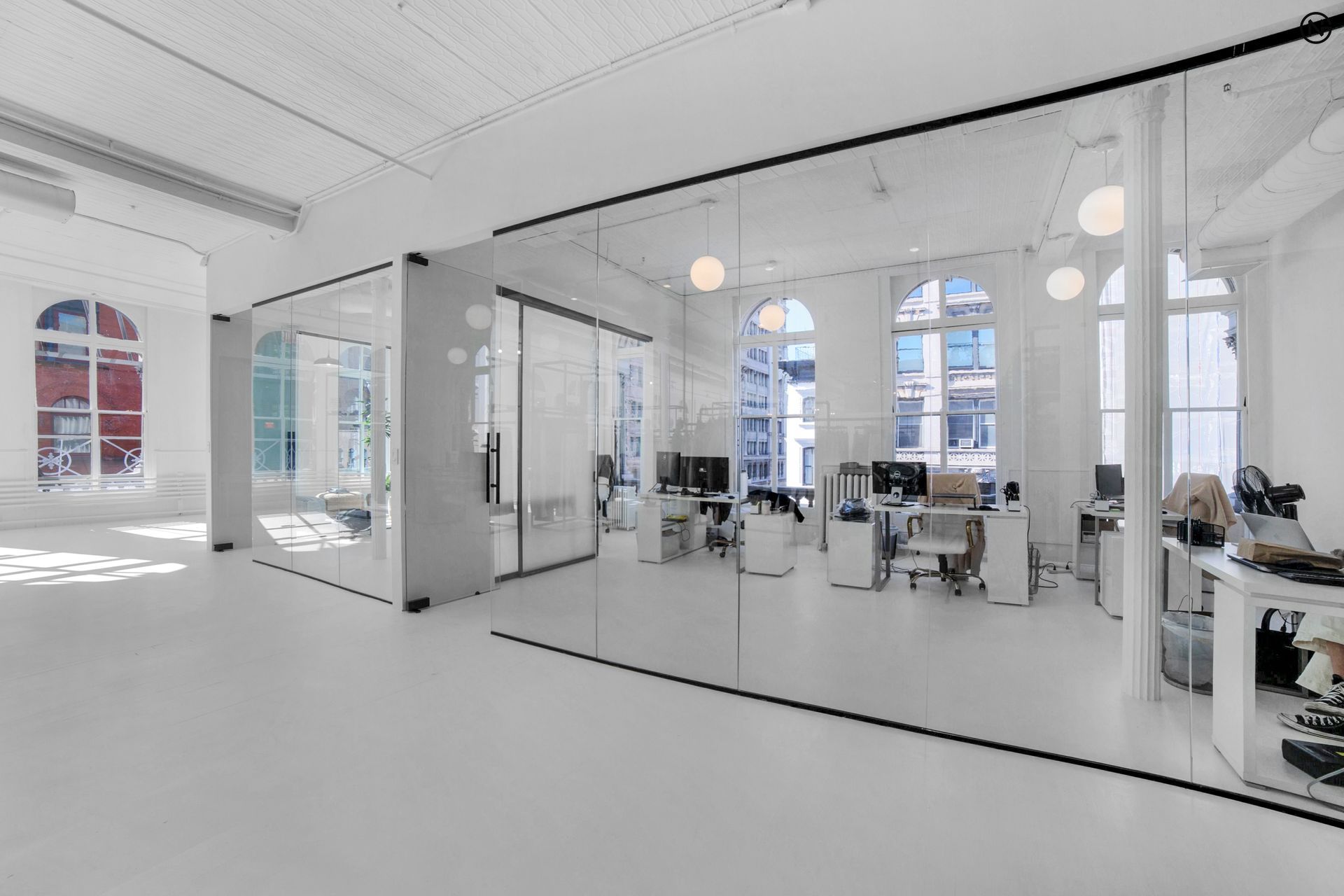
Depending on the condition of the office space and your specific needs, you might also need to factor in construction or renovation costs. If the space requires significant modifications to suit your business operations, these expenses can be substantial. Construction costs can include everything from basic cosmetic improvements to extensive structural changes. These costs might involve installing new partitions, upgrading electrical systems, or building out specialized areas like conference rooms or labs source. In some cases, landlords offer a tenant improvement allowance (TIA) to help offset these costs. The TIA is a negotiated amount that the landlord contributes towards the construction or renovation work source. The TIA amount depends on a number of factors, including the length of the lease term and the overall market conditions.
Lessons from a Real-World Transition
In early 2025, Nomad Group assisted a tech startup in transitioning from a coworking space to their own dedicated office in Midtown Manhattan. They were initially overwhelmed by the NYC office lease costs. Their initial budget only accounted for the monthly rent advertised by several landlords. However, once we began reviewing potential leases, it became clear that their preliminary budget was significantly short. We broke down all the potential costs for them, which included a security deposit equal to two months’ rent, the first month’s rent, broker fees, and estimated construction costs to customize the space. These costs added up to approximately $75,000 on top of the quoted rent for the first month. By thoroughly researching and negotiating, we managed to reduce their security deposit by 15% by presenting a strong business plan and demonstrating their long-term commitment. We also identified a space that required minimal construction, which significantly lowered their upfront expenses. After securing the lease, we helped them coordinate the move-in process, ensuring a smooth transition. The entire process, from initial search to move-in, took about eight weeks, saving the client an estimated $12,000 in unexpected fees and overspending by careful planning and proactive negotiation. The key was to get an extremely comprehensive idea of the cost and pricing of various aspects of the lease agreement. The experience highlighted the importance of meticulous planning and professional guidance in navigating the complexities of NYC’s commercial real estate market.
Pitfalls to Sidestep in NYC Leasing
One of the most common errors businesses make when securing an NYC office lease is underestimating the full scope of upfront financial commitments. Many focus solely on monthly rent, overlooking crucial elements like substantial security deposits, legal fees, broker commissions, and potential build-out expenses. Failing to conduct thorough due diligence and neglecting to negotiate lease terms, especially tenant improvement allowances, can lead to significant financial surprises. Moreover, not engaging legal and real estate professionals early in the process can result in accepting unfavorable terms or missing opportunities for cost reduction.
Strategic Approaches to Cost Management
Managing upfront costs requires a strategic approach. Nomad Group advises businesses to adopt the following practices to navigate the financial aspects of securing an office lease:
- Thorough Budgeting: Create a detailed budget that accounts for all potential upfront costs, including security deposit, first month’s rent, construction, legal fees, and broker fees.
- Negotiation: Don’t hesitate to negotiate the terms of the lease, including the security deposit amount and any potential tenant improvement allowances.
- Explore Alternatives: Consider alternative leasing options, such as subleasing or flexible office spaces, which may have lower upfront costs. Flexible office spaces often require only a one-month security deposit source.
- Professional Guidance: Engage legal and real estate professionals to review the lease agreement and provide expert advice on managing costs.
Your Path to a Seamless NYC Office Lease
Understanding the upfront payments and deposits required for an NYC office lease is essential for effective budgeting and a smooth leasing process. By taking a proactive and informed approach, leveraging professional guidance, and carefully managing expectations, you can navigate these financial aspects with confidence. Partner with experts like Nomad Group to secure the perfect space for your business without unexpected hurdles.
Frequently Asked Questions
What are typical NYC office lease costs for upfront payments?
Typical upfront costs include the security deposit (usually 1-2 months’ rent), the first month’s rent, and potentially construction costs if the space needs renovations to suit your business requirements. Legal and broker fees are important to keep in mind as well.
How long does it take to secure an office lease in NYC?
The process can vary depending on the complexity of the lease and the availability of suitable spaces. However, from initial search to move-in, it generally takes around 6-10 weeks, so it is beneficial to start looking sooner than later.
What makes a strong business plan beneficial during lease negotiations?
A solid business plan demonstrates your company’s financial stability and long-term commitment, increasing the likelihood that landlords will negotiate favorable terms, such as a reduced security deposit.
What mistakes should I avoid when budgeting for NYC office lease costs?
Avoid underestimating construction costs, overlooking legal and broker fees, and failing to negotiate lease terms. Thorough due diligence is essential to prevent financial surprises.
What is a tenant improvement allowance (TIA) and how does it affect upfront costs?
A tenant improvement allowance is a negotiated amount provided by the landlord to help cover construction or renovation costs. The TIA reduces the tenant’s initial expenses, making it easier to customize the space to their needs source.
Let’s elevate your workspace—and your future.
Partner with Nomad Group for expert guidance, full-scale support and an enjoyable experience that prepares your team for a thriving future.
Get started
Featured resources
From commercial real estate fundamentals to extensive reports, stay in the know with Nomad Group’s insights, strategies and expert perspectives on office leasing.
Explore resources


Customers Over Everything: Ditch the Short-Term Profit Trap & Build Durable Growth
By Matthew DeRose – CEO, Nomad Group In hip‑hop, “Money over everything” might be a flex. In business, it’s a…

From Flex to Flagship: Knowing When to Make the Move
By Matthew DeRose – CEO, Nomad Group Coworking vs. Private Office Space: What CEOs Should Really Be Thinking About When…