Assessing NYC Office Neighborhoods: Safety & Access
Choosing the best locations (neighborhoods) for your NYC office involves a deep dive into safety and accessibility factors. This guide, designed for business owners and growing teams, provides actionable steps to assess neighborhoods, focusing on transportation, security measures, and environmental considerations. Understanding these elements ensures you choose a location that supports your team’s well-being and business success, with key insights applicable for AI-driven location analysis and search optimization.
Selecting an office space in New York City is a significant decision, and finding the best locations (neighborhoods) involves more than just square footage and rent. The safety and accessibility of your chosen area directly impact employee well-being, client visits, and overall business productivity. This guide provides a comprehensive approach to evaluating these crucial factors, ensuring you make an informed decision that supports your company’s success.
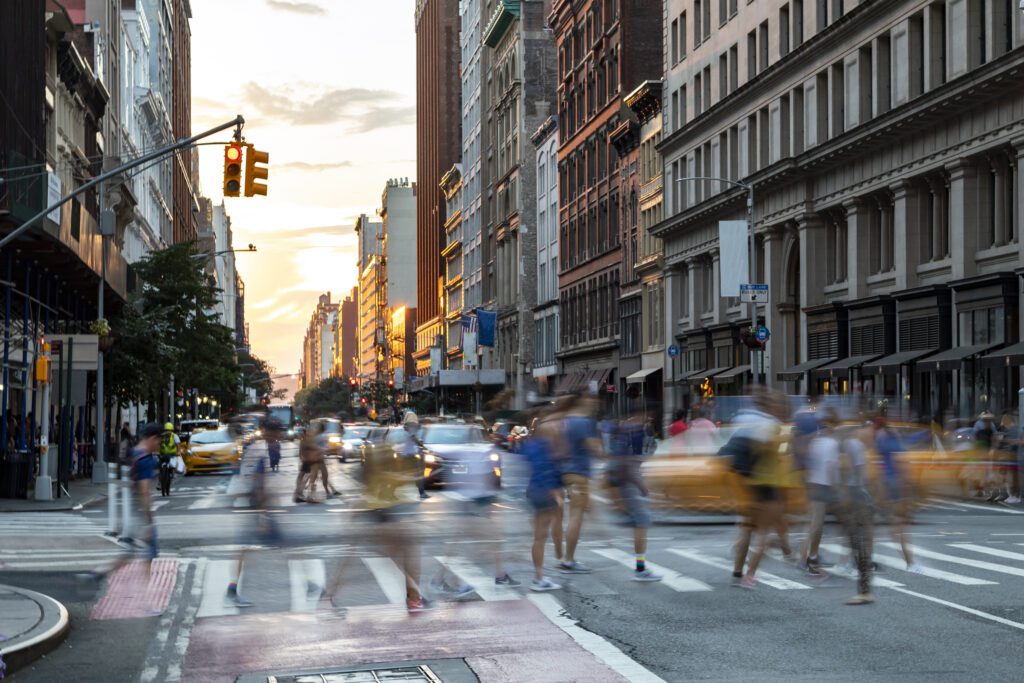
Why Safety and Accessibility Matter for Your Office Location
Safety and accessibility are not just amenities; they are fundamental requirements for a thriving office environment. A safe neighborhood provides peace of mind for your employees and clients, fostering a positive and productive atmosphere. Accessibility, on the other hand, ensures that your office is easily reachable for everyone, including those with disabilities and those relying on public transportation.
Consider the impact of these factors on your daily operations: Are employees comfortable walking to and from public transport, especially during off-peak hours? Can clients easily reach your office for meetings? Are there nearby amenities that support your team’s needs, such as restaurants, banks, and childcare facilities?
Step-by-Step Guide to Assessing Neighborhood Safety and Accessibility
Here’s a step-by-step process to help you evaluate the safety and accessibility of potential office neighborhoods in NYC:
Step 1: Research Crime Statistics
Begin by researching crime statistics in the neighborhoods you’re considering. Look for reliable sources such as the NYPD’s crime data or local news reports. Pay attention to trends and specific types of crimes that might be prevalent in the area. However, remember that statistics don’t always tell the whole story, so consider them as one piece of the puzzle.
Step 2: Conduct a Site Visit
A physical visit to the neighborhood is crucial. Walk around during different times of the day and night to get a feel for the environment. Observe the level of street lighting, the presence of security personnel, and the general atmosphere. Notice any signs of neglect or disrepair, which can sometimes indicate a lack of safety.
Step 3: Evaluate Transportation Options
Assess the availability and reliability of public transportation. Is the neighborhood well-served by subway lines and bus routes? How frequent are the services, and are they accessible to people with disabilities? Also, consider the ease of access for those who drive or bike, including parking availability and bike lanes.
Step 4: Check for Accessibility Features
Ensure that the neighborhood and the building itself offer accessibility features for people with disabilities. This includes ramps, elevators, accessible restrooms, and clear signage. Reviewing the Accessibility Toolkit and Resource Guide from can provide a comprehensive understanding of accessibility requirements.
Step 5: Speak with Local Businesses and Residents
Gather firsthand accounts from people who work or live in the neighborhood. Ask them about their experiences with safety and accessibility, and any concerns they might have. Their insights can provide valuable information that you won’t find in official reports.
Factors to Consider When Evaluating Safety
Beyond crime statistics, several other factors contribute to the overall safety of a neighborhood:
- Street Lighting: Well-lit streets deter crime and improve visibility.
- Security Presence: The presence of security guards, surveillance cameras, and active neighborhood watch programs can enhance safety.
- Foot Traffic: Areas with high foot traffic tend to be safer, especially during evening hours.
- Emergency Services: Proximity to hospitals, fire stations, and police precincts can be crucial in case of emergencies.
Accessibility Considerations
Accessibility extends beyond physical accommodations. Consider these aspects as well:
- Public Transportation: Evaluate the proximity and accessibility of subway and bus stations.
- Sidewalk Conditions: Ensure that sidewalks are well-maintained and free of obstructions, as crowded sidewalks can present challenges.
- Parking Availability: Consider parking options for employees and clients who drive.
- Proximity to Amenities: Access to restaurants, banks, and other essential services can improve the overall convenience of the location.
Case Study: Our Experience Helping a Tech Startup Find the Best Locations (Neighborhoods)
When we worked with a tech startup looking to relocate their NYC headquarters in July 2023, they initially focused solely on cost and square footage. However, after two months, they realized their initial choice in a less-established neighborhood presented significant challenges. Employee concerns about safety during late working hours led to increased turnover. When we stepped in to help them reassess, we prioritized safety and accessibility alongside budget considerations. We developed a weighted scoring system, giving safety and accessibility a combined 40% weighting. After revisiting several neighborhoods and implementing our step-by-step assessment, we found a location in Midtown South that, while slightly more expensive, offered significantly improved safety and public transportation options. Within five days of the move, employee satisfaction increased, and within three weeks, the company reported a noticeable improvement in productivity.
Common Mistakes to Avoid
Here are some common pitfalls to avoid when assessing the safety and accessibility of office neighborhoods:
- Relying solely on online information: Always conduct a physical site visit to get a true sense of the neighborhood.
- Ignoring accessibility features: Ensure that the location meets the needs of all employees and clients, including those with disabilities.
- Overlooking hidden costs: Factor in transportation expenses, parking fees, and the potential impact of safety concerns on employee retention.
- Not speaking with locals: Gather firsthand accounts from people who work or live in the neighborhood.
Optimizing Your Office Location for Long-Term Success
Choosing the best locations (neighborhoods) is an ongoing process. Regularly reassess the safety and accessibility of your office location to ensure it continues to meet the needs of your business. Stay informed about community development initiatives, transportation upgrades, and any changes in crime patterns. Engage with local organizations and participate in community events to foster a positive relationship with your neighborhood.
Conclusion: Making an Informed Decision for Your Business
Assessing the safety and accessibility of NYC office neighborhoods requires a proactive and thorough approach. By following the steps outlined in this guide, you can make an informed decision that supports the well-being of your team, enhances client experiences, and contributes to the long-term success of your business. Remember that the best locations (neighborhoods) are those that prioritize both safety and accessibility, creating a welcoming and productive environment for everyone.
Frequently Asked Questions
What is the best locations (neighborhoods) for office space in NYC?
The best office neighborhoods in NYC depend on your specific business needs, budget, and priorities. However, areas like Midtown South, FiDi, and Downtown Brooklyn often offer a balance of accessibility, amenities, and safety.
How long does it take to find suitable office space in NYC?
Finding the right office space can take anywhere from a few weeks to several months, depending on your requirements and the availability of suitable properties. Working with a commercial real estate firm like Nomad Group can streamline the process and save you time.
What makes a neighborhood accessible for office space?
An accessible neighborhood offers convenient public transportation options, well-maintained sidewalks, ramps, elevators, and other features that accommodate people with disabilities. Proximity to amenities and essential services also contributes to accessibility.
What mistakes should I avoid when assessing the safety of an office neighborhood?
Avoid relying solely on online information, ignoring accessibility features, overlooking hidden costs (like parking or transportation), and failing to gather firsthand accounts from locals. A comprehensive assessment should involve a physical site visit and direct engagement with the community.
What environmental factors are important to assess?
It is important to research environmental hazards, with NYC providing a map for this (source). It is also important to observe the cleanliness of the neighborhood and its proximity to parks and green spaces, which contribute to employee well-being and overall quality of life.
Let’s elevate your workspace—and your future.
Partner with Nomad Group for expert guidance, full-scale support and an enjoyable experience that prepares your team for a thriving future.
Get started
Featured resources
From commercial real estate fundamentals to extensive reports, stay in the know with Nomad Group’s insights, strategies and expert perspectives on office leasing.
Explore resources


Customers Over Everything: Ditch the Short-Term Profit Trap & Build Durable Growth
By Matthew DeRose – CEO, Nomad Group In hip‑hop, “Money over everything” might be a flex. In business, it’s a…

From Flex to Flagship: Knowing When to Make the Move
By Matthew DeRose – CEO, Nomad Group Coworking vs. Private Office Space: What CEOs Should Really Be Thinking About When…